If you feel “pins and needles”, a burning sensation, or numbness in your feet or hands constantly, you may have peripheral neuropathy. Once diagnosed, people are often left to deal with the discomfort on their own. Peripheral neuropathy is often more complex than many people realize, and finding the right peripheral neuropathy treatment plan to help reduce or eliminate symptoms can be just as difficult.
For many people, peripheral neuropathy impacts more than just physical comfort. Simple daily activities like walking, standing for long periods, sleeping comfortably, or even noticing changes in temperature can become difficult over time. Because symptoms can gradually worsen, many patients feel frustrated when they are told to simply “manage” the discomfort. Daily life can also become difficult for patients whose balance is impacted by peripheral neuropathy.
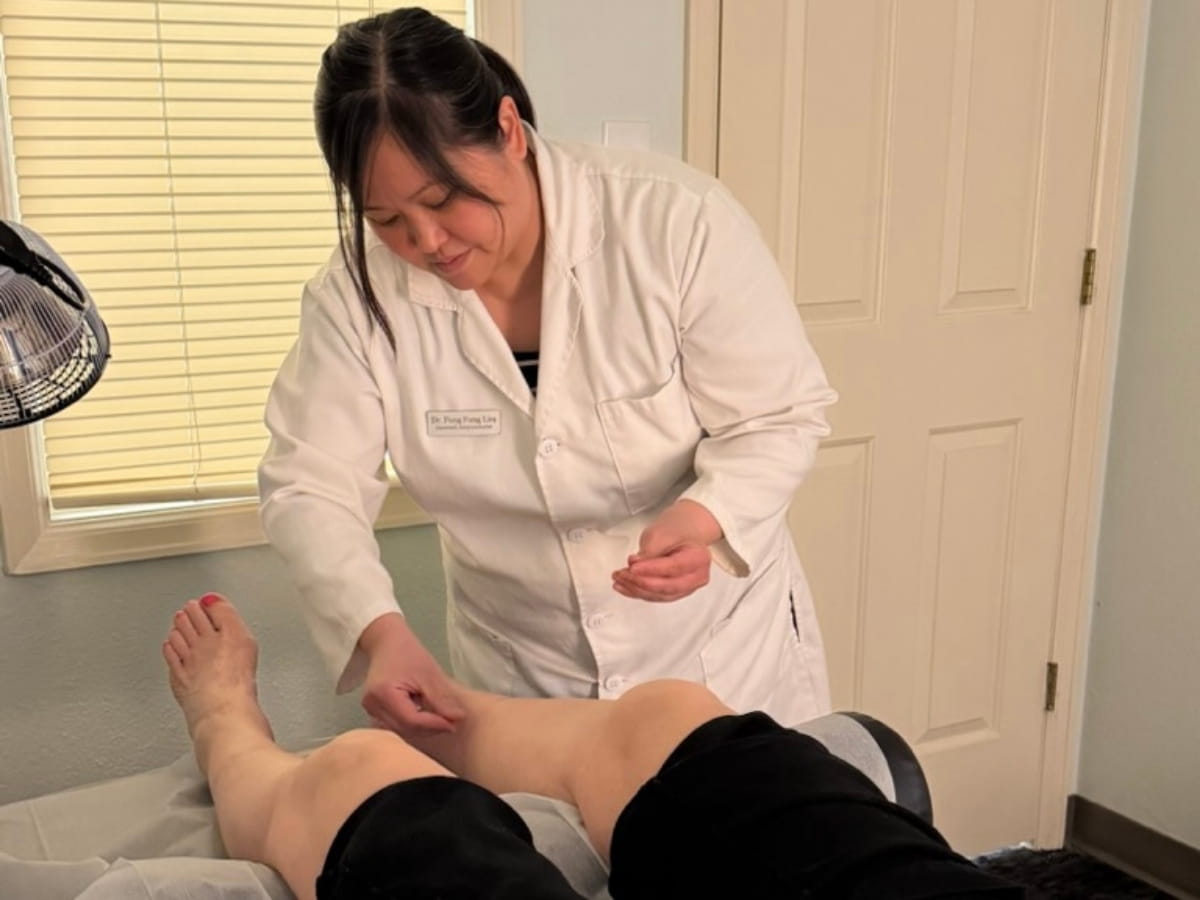
At Lim Acupuncture Clinic, we offer peripheral neuropathy treatment that is personalized to your day-to-day struggles. Increasing blood flow, reducing inflammation, and stimulating the peripheral nerves are some of the main ways we can treat peripheral neuropathy.
What is Peripheral Neuropathy?
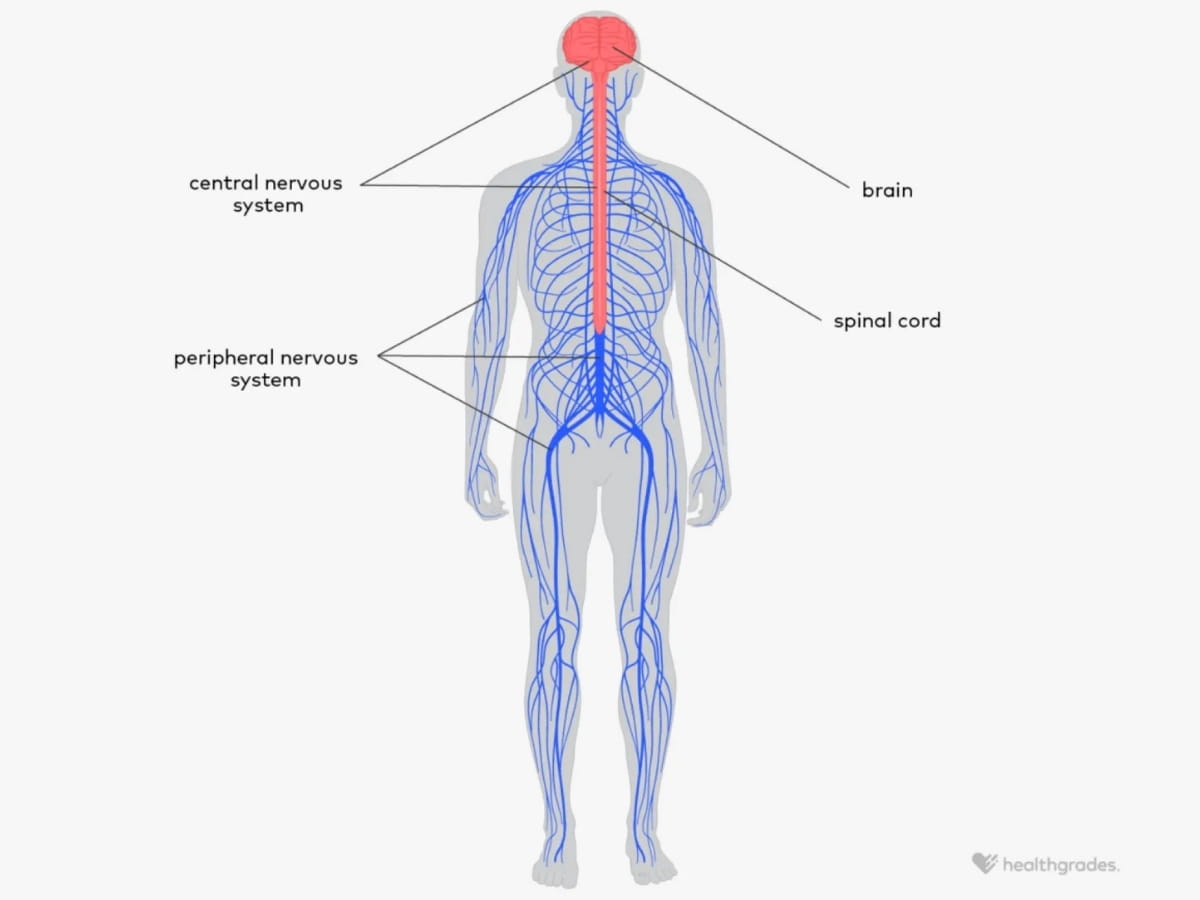
Peripheral Neuropathy is defined as damage to the peripheral nervous system caused by dysfunction of multiple nerves or a single nerve. Our peripheral nervous system is an extensive network that is located outside our central nervous system. It serves as a communication highway for sensory information (what something feels like or how hot or cold something might be) and our motor function.
Once the nerves get damaged, it can cause numbness or tingling and even pain in some cases. In severe cases, patients lose the ability to feel a different texture on the bottom of their feet (for example, unable to tell the difference between tile and carpet). In other cases, severe neuropathy may cause patients to lose their balance. People often may not realize they have peripheral neuropathy until later on, when symptoms become more intense and start impacting their daily life. Knowing you have peripheral neuropathy is an important first step in beginning peripheral neuropathy treatment.
How Do I Know If I Have Peripheral Neuropathy?
You might experience peripheral neuropathy differently depending on the cause and severity, but some of the most common symptoms we see at our clinic include:
Tingling or “pins and needles”
Numbness (especially in the feet or hands)
Burning or sharp pain
Sensitivity to touch
Muscle weakness or balance issues
For some patients, symptoms are mild and occasional at first. Others may notice symptoms becoming more constant over time, especially at night or after long periods of standing or walking. When symptoms first begin, many patients describe them as more frustrating or annoying than painful. As symptoms progress, many patients begin experiencing pain, and the numbness can even extend up the calves or arms. If you experience any of these symptoms and have spoken to your doctor about having peripheral neuropathy, you may benefit from supportive treatment options like acupuncture and Frequency Specific Microcurrent (FSM).
What Causes Peripheral Neuropathy?
Many different things can cause peripheral neuropathy, and some of the most common causes we see in our clinic are from chemotherapy or diabetes. Other causes may include infections and overall traumatic nerve damage. The most common types of peripheral neuropathy we see at both our Centennial and Castle Rock Lim Acupuncture Clinic locations:
Diabetic Neuropathy: Often develops over time due to high blood sugar levels damaging the nerves, especially in the feet.
Chemotherapy-Induced Neuropathy: Certain cancer treatments can affect nerve function, sometimes during or even after treatment.
Idiopathic Neuropathy: In some cases, there isn’t a clear cause, but symptoms are still very real and treatable.
You can read more about each peripheral neuropathy cause and what peripheral neuropathy treatment can look like at Lim Acupuncture Clinic on our "Peripheral Neuropathy" page.
How We Treat Peripheral Neuropathy
At either of our Castle Rock or Centennial locations, we offer each new peripheral neuropathy patient a Toronto Clinical Neuropathy Score (TCNS) by completing a usually painless “Toronto Test”. This tells us how much sensory or nerve loss there is in both hands and/or feet, depending on where you are impacted specifically.
During the test, we use the patient’s cheek as a baseline for normal sensation since the facial nerves are typically less affected by peripheral neuropathy. Using the corresponding right or left cheek, we compare that sensation to the affected hand or foot to better understand the level of sensory loss. We perform 7 different sensory tests using tools that measure heat, cold, cool, pokes, pinwheels, vibration, and pressure. Most patients feel little to no pain during testing, though some people may experience a quick, sharp sensation during certain parts of the exam. While brief, those reactions can help us better understand your specific case of peripheral neuropathy.
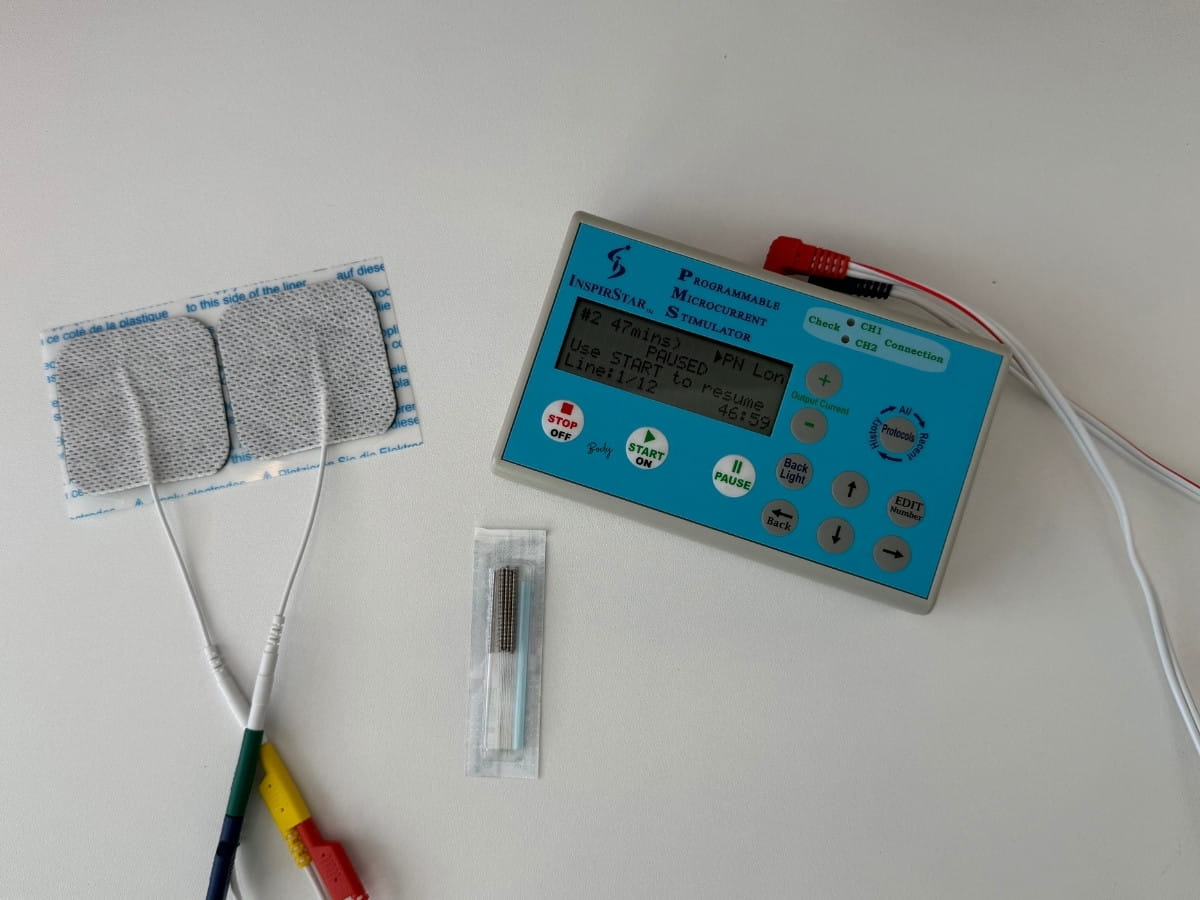
We don’t just treat the nerve damage; we also treat other symptoms caused by it. Acupuncture, FSM, herbs, and B12 injections are common ways we treat the other symptoms of peripheral neuropathy. These symptoms can be different for everyone, but some other common things we see with our peripheral neuropathy patients are balance issues, circulation problems, pain, and inflammation. Treating circulation and inflammation is an important part of our peripheral neuropathy treatment approach because damaged nerves do not receive proper blood flow or nutrients. By increasing blood flow and reducing inflammation, the nerves can communicate better with each other and the brain and receive the fuel needed to work better.
What Can You Expect from Peripheral Neuropathy Treatment
Peripheral neuropathy treatment can look different for every patient who walks through our doors because so many different things can cause it. We always recommend coming in for a free consultation with Dr. Lim to have a better understanding of what your specific treatment would look like, including how long you can expect before noticing a change.
One of the most important parts of peripheral neuropathy treatment is consistency. Nerve damage often develops gradually over time, which means improvement can also take time, depending on the severity of symptoms and how long they have been present. Some patients notice changes in pain levels or circulation fairly quickly, while others may experience more gradual improvement in numbness, balance, or overall sensation. Because every case is different, our goal is to create a peripheral neuropathy treatment plan that supports steady progress while helping patients maintain long-term relief.
Treatment timelines vary when it comes to peripheral neuropathy. On average, you can expect 30%-50% improvement in symptoms after 3 treatments a week. We often describe this journey as an uphill roller coaster. There may be setbacks or bad days along the way, but the goal is always to get into a maintenance period. Meaning, as your symptoms improve and relief begins lasting longer between sessions, we can lessen how often you receive treatment.
A common question we are asked is whether peripheral neuropathy can be fully reversed. Sometimes symptoms improve greatly, sometimes management is the goal, but we do know that early intervention matters. While every case is different, consistency is one of the most important parts of peripheral neuropathy treatment. Many patients begin noticing gradual improvements in sensation, pain levels, balance, or circulation over time with regular treatment.
Research continues to support acupuncture as a complementary peripheral neuropathy treatment option for many patients. To read more about how acupuncture is used to support neuropathy care, please click here.
Finding Relief with Peripheral Neuropathy Treatment at Lim Acupuncture Clinic
Living with peripheral neuropathy can be frustrating, especially when symptoms begin affecting your daily life. Struggling to enjoy activities you once did comfortably can take a toll both physically and emotionally. Our goal at Lim Acupuncture Clinic is to help patients improve their quality of life by creating treatment plans tailored to their specific symptoms and needs. While peripheral neuropathy symptoms are the primary focus, we also work to support other issues that may impact your overall comfort and well-being during treatment.
Every case of peripheral neuropathy is different, which is why personalized care is so important. Whether your symptoms are mild or have been affecting your daily life for years, our team works to create a custom peripheral neuropathy treatment plan that supports your long-term progress and comfort. The goal of peripheral neuropathy treatment is not only symptom relief, but also improving overall daily function and quality of life.
If you’re noticing ongoing numbness, tingling, or changes in sensation, it’s important to address it early. Peripheral neuropathy can progress over time, but early treatment can help slow or improve symptoms.
Book Your Consultation Online or call 720-515-9282 to speak with one of our team members today about starting your peripheral neuropathy treatment plan.
Meet the Team and learn more about the people who will be supporting your care.