
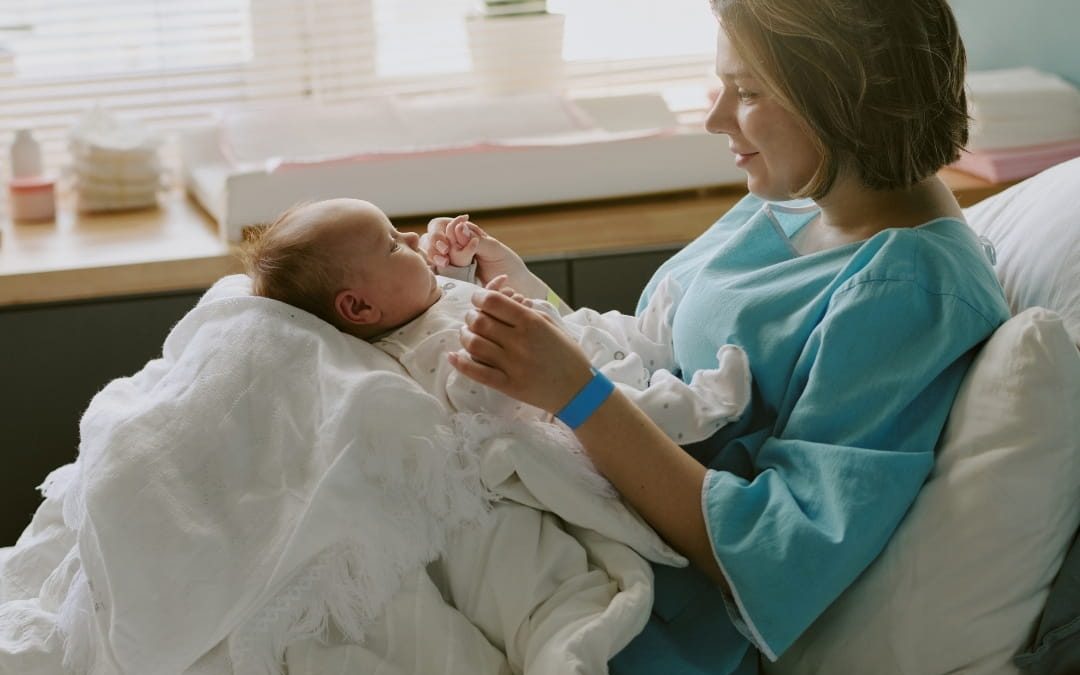
After childbirth, so much attention naturally shifts toward caring for the new baby, but the mother’s healing and well-being are just as important to postpartum care. Pregnancy and birth bring tremendous physical, emotional, and hormonal changes, making this period an important time to restore balance, rebuild strength, and care for the body.
In Traditional Chinese Medicine (TCM), postpartum care is viewed as a critical period for replenishing the body's energy and nourishment. Rather than focusing only on returning to a previous state, TCM emphasizes allowing the body time to heal and regain balance. Personalized treatments such as acupuncture, Chinese herbal medicine, moxibustion, and supportive lifestyle practices can help mothers feel more balanced and supported during this transition.
Every postpartum journey is different, whether navigating breastfeeding, changes in sleep, physical discomfort, or the emotional adjustments that come with welcoming a new baby. At Lim Acupuncture Clinic, we offer individualized care designed to meet each mother where she is and support her throughout this important stage of life.
Understanding Postpartum Recovery
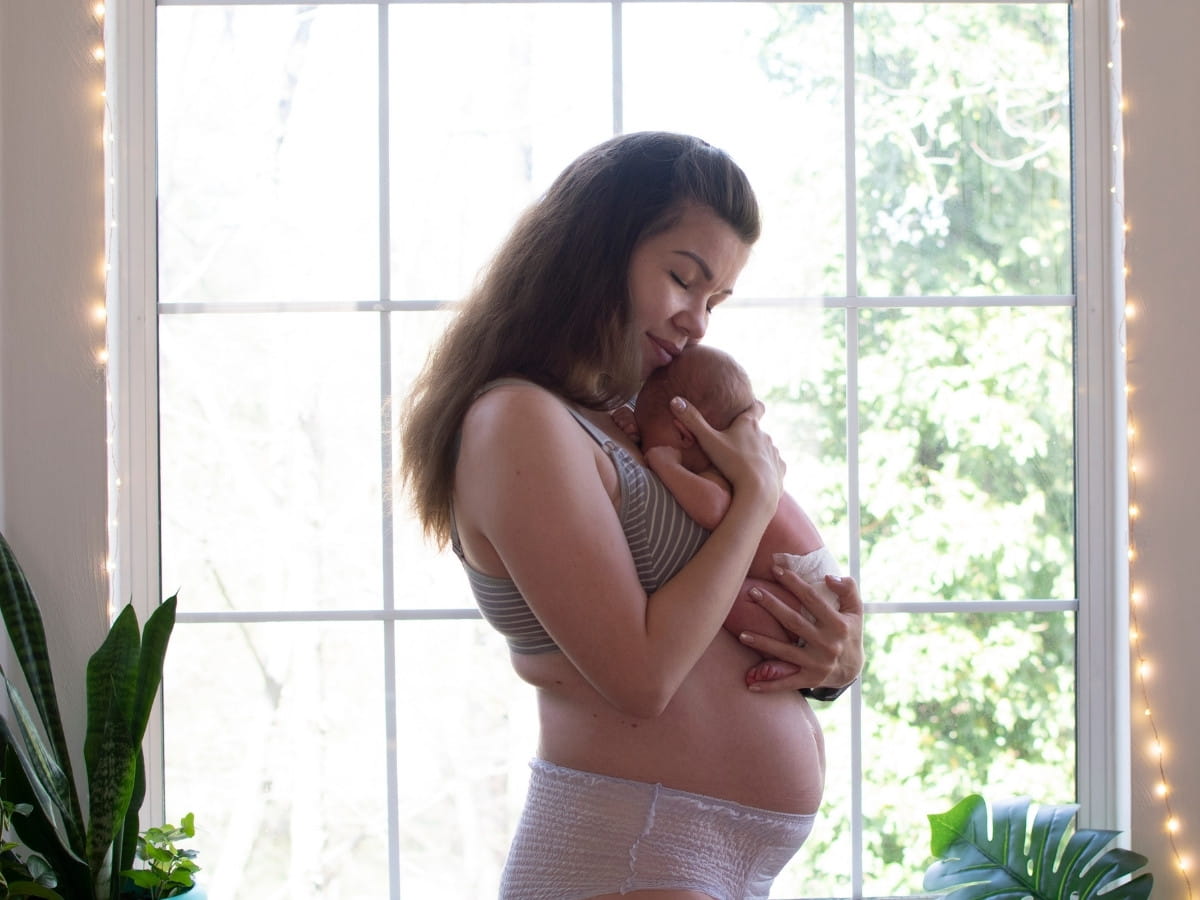
Giving birth is a physically and emotionally demanding experience, and recovery does not happen overnight. In TCM, the weeks following childbirth are considered an especially important time for the mother to rest, replenish her body, and restore what was depleted during pregnancy and birth.
From a TCM perspective, childbirth can deplete the body's Qi (pronounced “chee”), blood, and fluids. Qi represents a person's life force; think of it like the spark that keeps your body moving. Postpartum care therefore focuses on helping the body recover while gradually replenishing and rebuilding what was lost. During the first one to two weeks, recommendations may focus more heavily on helping the body clear and move what remains from the birth before shifting toward deeper nourishment and restoration.
In TCM, the postpartum body is traditionally considered more vulnerable to external influences such as wind and cold. One way to think about this concept is to imagine a house that’s still being repaired after a storm: when its defenses are lowered, it needs extra protection from the elements while it is being restored. This is part of why TCM traditionally emphasizes keeping the body warm, avoiding drafts, and allowing plenty of rest during early postpartum care.
Treatments to Support Postpartum Recovery
At Lim Acupuncture Clinic, we offer a variety of treatments and practices that blend both TCM and Western modern medicine that can support postpartum recovery. Because every mother's recovery is different, your postpartum care plan will be personalized to your individual needs and may include one or more of the following treatments and recommendations.
Acupuncture
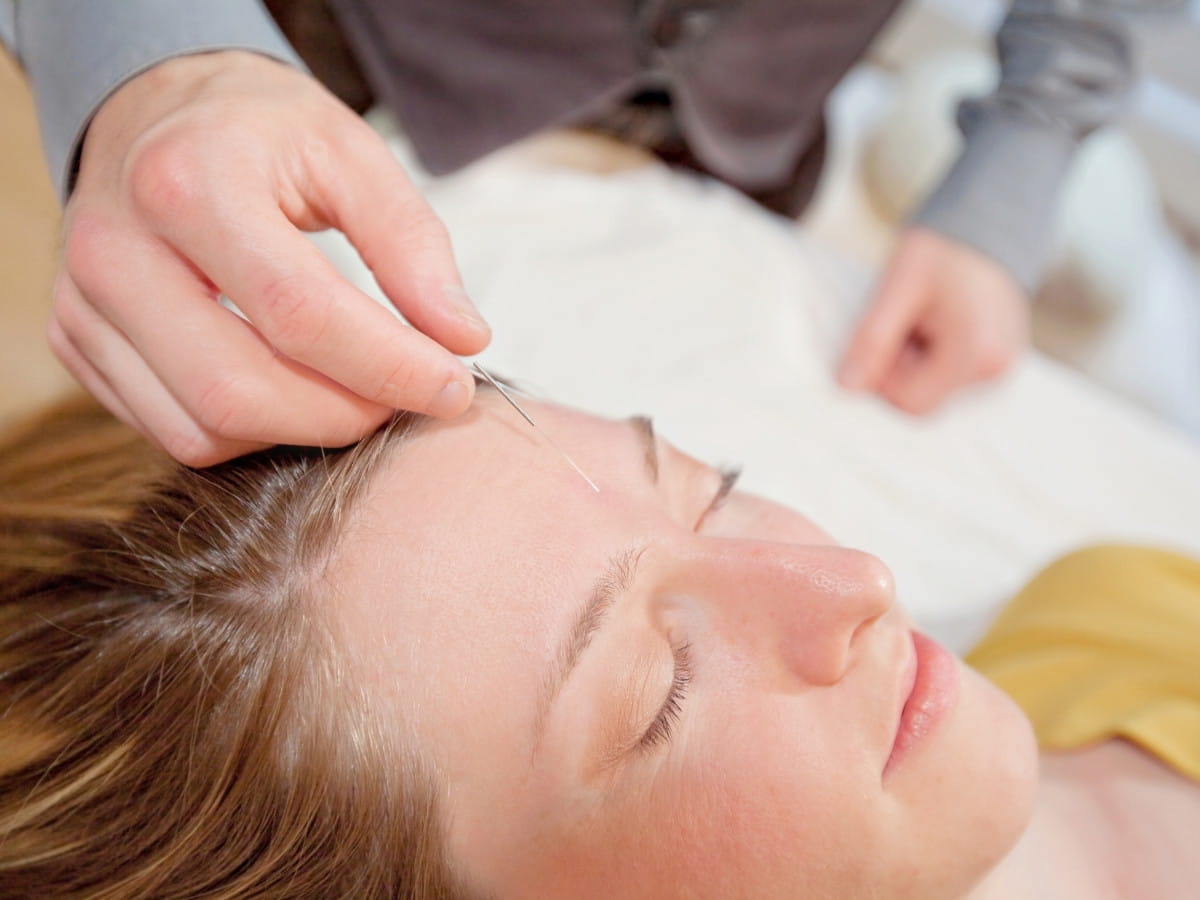
Acupuncture is commonly used to support overall health and well-being and may help with many of the physical changes that can occur during the postpartum period. Treatment may help improve circulation and address body aches and pains, muscle tension, sleep difficulties, headaches, nausea, and other discomforts that can make the transition into motherhood more challenging. Specific acupuncture points may also be used to help relieve breast engorgement and support milk production, depending on the mother's individual needs.
Postpartum care also addresses the mental and emotional demands of caring for a newborn. Acupuncture can help promote relaxation and support nervous system regulation, which may be especially helpful for mothers experiencing stress, overwhelm, or symptoms of postpartum depression. The NADA protocol is one approach that may be incorporated into treatment, using five small, thin needles placed at specific points in each ear to promote relaxation and support emotional well-being.
Acupuncture can also be incorporated alongside other forms of care for mothers experiencing postpartum mood changes. Learn more about how acupuncture can support stress management and mental well-being in our “Stress to Strength” blog post.
Chinese Herbal Medicine
Chinese herbs are one of the most common ways we support postpartum mothers as they recover and adjust to life after birth. Herbal formulas can be specifically formulated for each person's individual needs, allowing treatment to focus on replenishing what may have been depleted during pregnancy and childbirth while supporting the body's natural recovery processes.
Herbal medicine can also be a practical part of postpartum care for new mothers who may not always have the time or energy to come into the clinic for frequent treatments. Your acupuncturist can recommend individualized herbs that can be incorporated into your daily routine at home, based on your needs and stage of postpartum recovery. We also offer telehealth Chinese herbal consultations and can ship the herbs directly to you if you are not yet feeling ready to come into the clinic after birth.
Although ginseng is a tonifying herb that may be recommended after birth in specific cases, we do not recommend ginseng immediately after birth. Ginseng may increase blood pressure and contribute to sleep difficulties or anxiety, and its effects may not be appropriate during the immediate postpartum period. Your acupuncturist can determine if and when ginseng or other herbs may be appropriate as your recovery progresses.
If you are interested in learning more about the research behind Chinese herbs commonly used during postpartum care, you can read this research article.
Moxibustion or Moxa
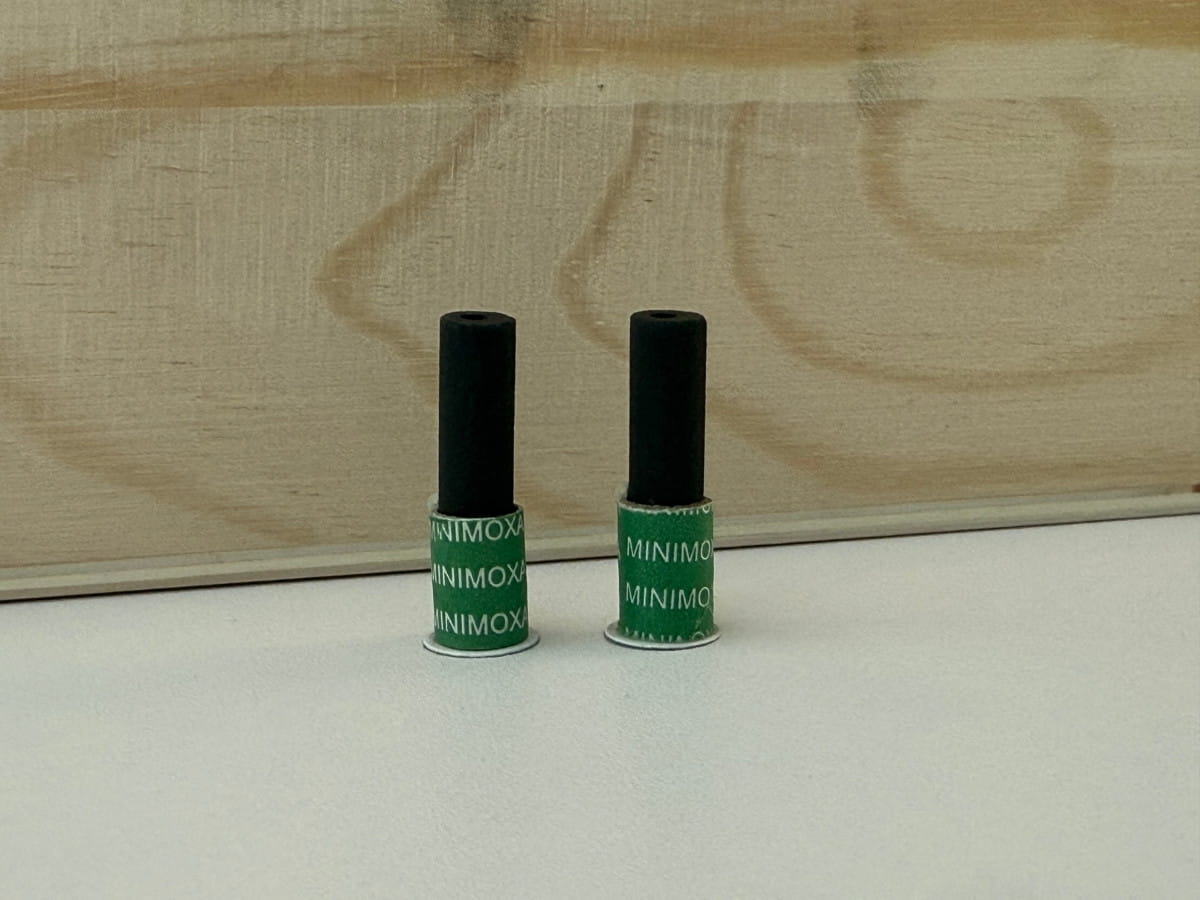
Moxibustion is a practice used in TCM postpartum care that involves burning dried mugwort, known as moxa, to provide therapeutic warmth to specific areas of the body. The heat generated by moxa produces thermal energy and infrared light that can penetrate into the body's tissues. In TCM, this warmth is used to support circulation, move Qi and Blood, and address patterns of cold and stagnation that may occur during postpartum recovery.
Depending on your specific postpartum care needs during each appointment, the areas where moxa is applied may vary. Moxa may be used to support postpartum cramping, lower back discomfort, and the traditional TCM goal of warming the body and addressing the effects of wind and cold.
Celluma LED Light Therapy
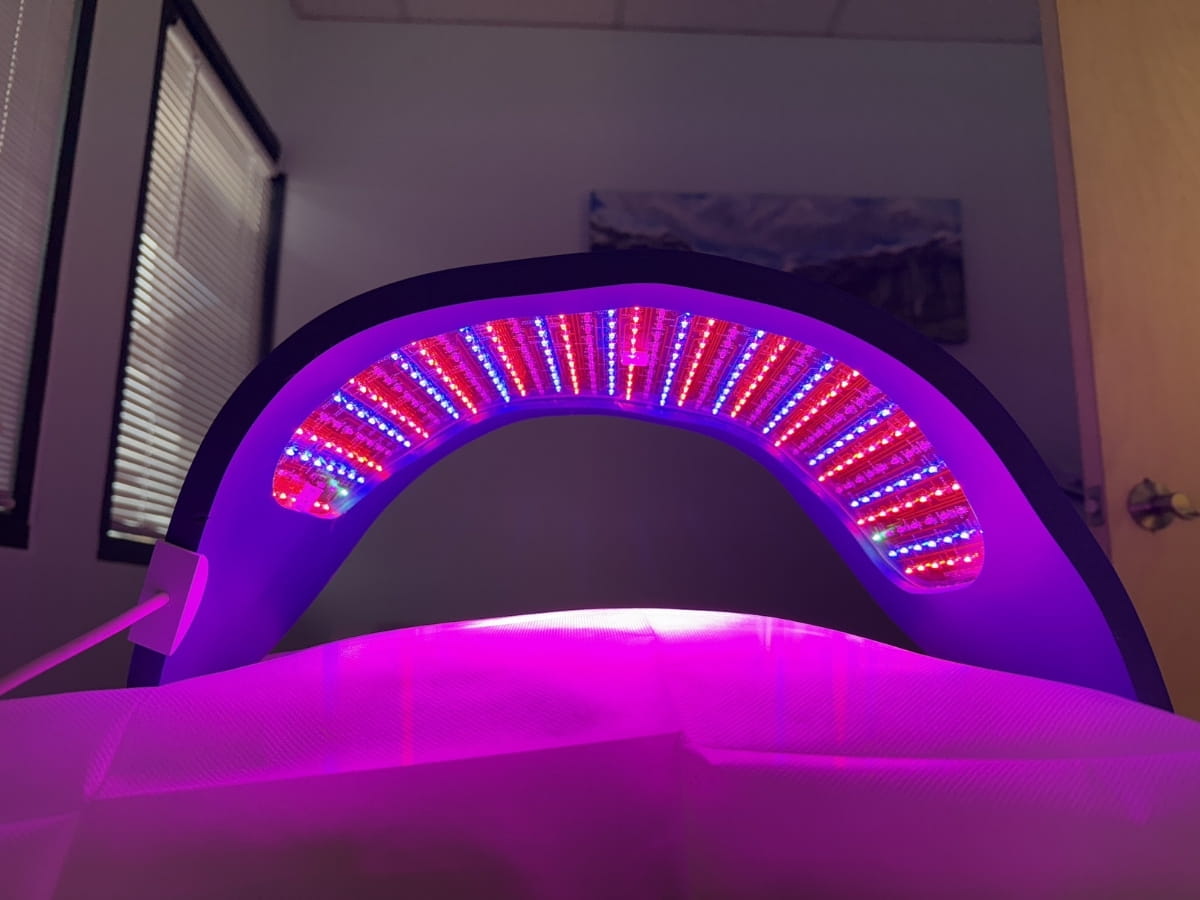
Celluma LED Light Therapy may also be incorporated into postpartum care to support muscle recovery and relaxation. Red and near-infrared light therapy is designed to reach the tissues and support cellular energy production, including ATP, which can help support the body's natural recovery processes. This gentle, non-invasive treatment can be incorporated into an appointment alongside other therapies when appropriate.
You can read more about Celluma and its benefits on our blog post titled “How Celluma LED Light Therapy Gently Supports Healing”.
Supporting the Body Through Food, Rest, and Traditional Practices
There are other ways that we recommend mothers support their bodies during their postpartum journey. More specific recommendations for your specific postpartum care can be made during a free consultation or during your individual appointments.
Nourishing Foods
After childbirth, TCM places a strong emphasis on nourishing the body with warm, easy-to-digest foods and drinks. Warm soups, stews, broths, porridges, and cooked vegetables can provide nourishment while also helping the body replenish fluids and energy after birth. Warm foods and drinks are traditionally preferred during the early postpartum period because they are thought to be easier for the body to digest and support the body's recovery.
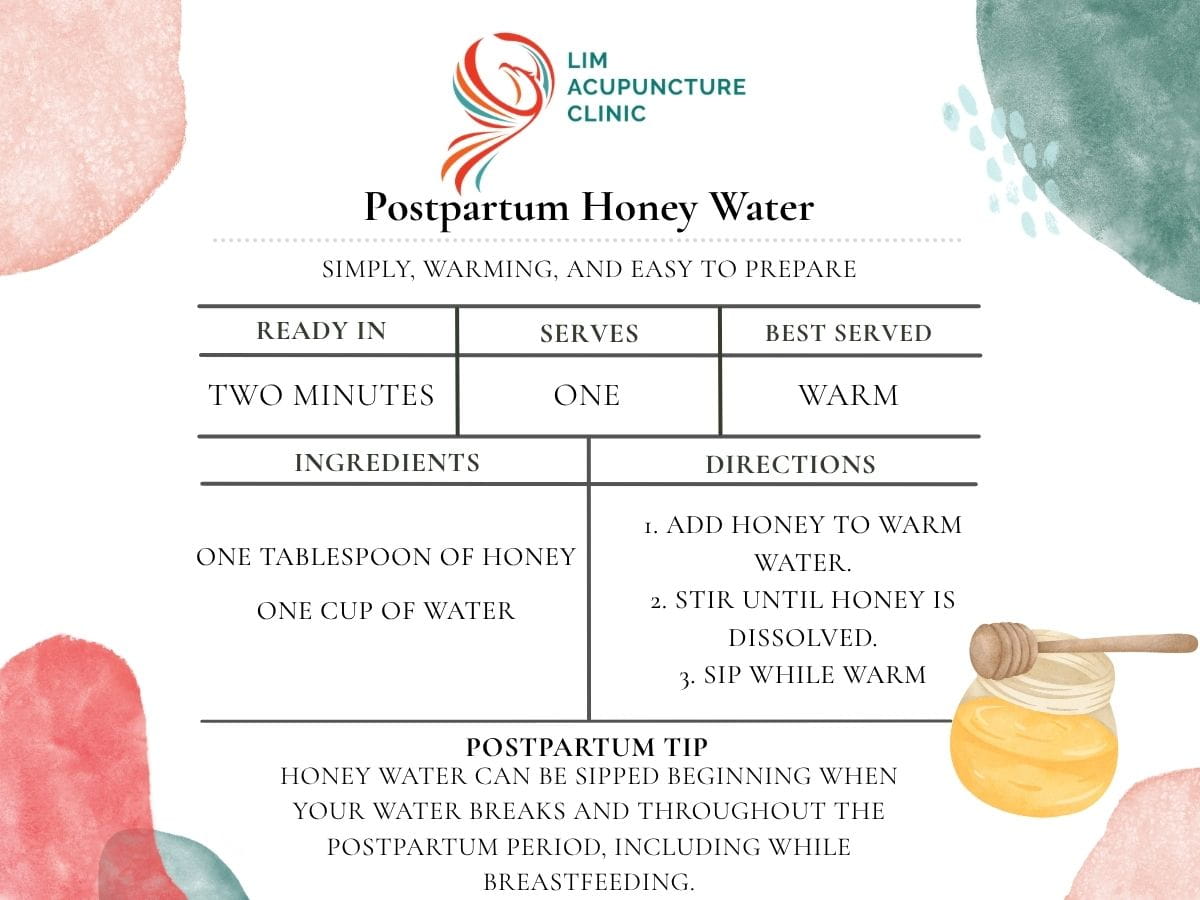
One simple recipe we recommend is honey water. Honey water can be prepared by stirring one tablespoon of honey into a cup of warm water. It can be started as soon as the mother's water breaks and continued throughout your postpartum period, including while breastfeeding. It is a simple way to incorporate a warm, nourishing drink into the day, especially when caring for a newborn makes preparing meals and staying hydrated more difficult.
The Importance of Rest
In many Asian cultures, traditional postpartum care practices include a period of extended rest and recovery, sometimes lasting around 30 days or more. During this time, new mothers may remain primarily at home while family members help with cooking, household responsibilities, and caring for the baby. This tradition reflects the importance placed on allowing the mother time to rest, stay warm, and recover after childbirth.
While we recognize the value of this tradition, we also understand that staying home for an extended period isn't realistic for everyone. New mothers have busy lives, responsibilities, and, let's be honest, sometimes a little cabin fever! At Lim Acupuncture Clinic, we encourage mothers to prioritize rest and accept support when they can, while finding a balance that works for their individual lives and recovery.
Abdominal Wrapping
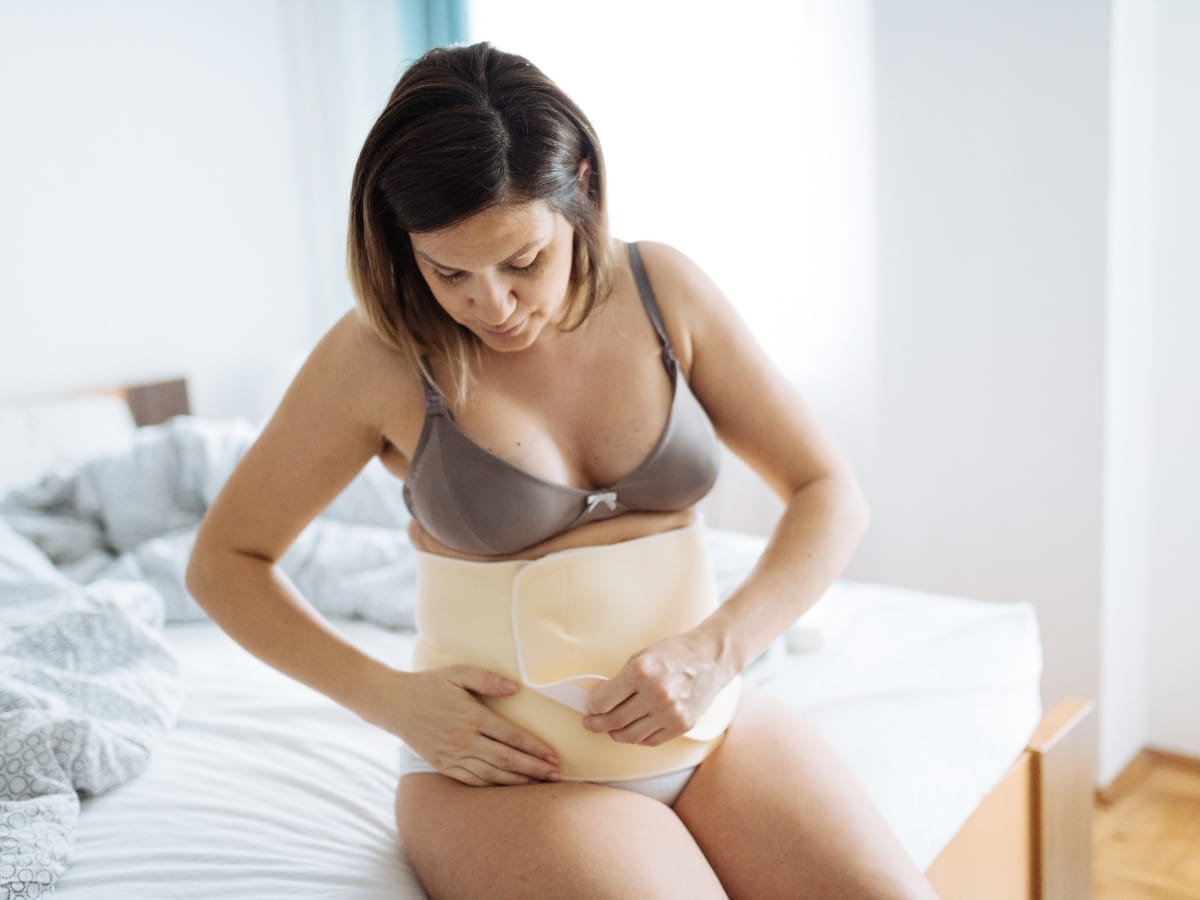
Abdominal wrapping, or belly binding, is another common postpartum care practice in TCM and in many other cultures. In TCM specifically, it is used to help warm the womb and protect it from wind and cold, support loose core muscles, and provide gentle support to the abdominal area as the body adjusts after pregnancy.
Abdominal wrapping shouldn’t feel restrictive, but rather supportive while still allowing you to breathe, eat, and nurse your baby comfortably. We generally recommend waiting one to two weeks after giving birth before beginning abdominal wrapping, or waiting until an incision has fully healed after a C-section.
Qigong
Qigong (pronounced “chee gung”) is a commonly practiced mind-body exercise rooted in TCM. As mentioned above, Qi represents a person's life force. “Gong” refers to the regular practice of cultivating Qi. During the postpartum period, gentle Qigong practices may focus on supporting circulation, rebuilding strength, gently engaging the abdominal and pelvic muscles, regulating stress and emotions, and addressing stagnation left over from birth.
Common exercises include for postpartum care specifically is seated breath work, gentle kidney and lower back massage to provide warmth, soft body bouncing or shaking, and mindful pelvic floor engagement paired with breathing exercises. If you are interested in the research behind the benefits of Qigong and its impact on mind-body health, you can view this research article.
What to Expect at Your Postpartum Care Visits
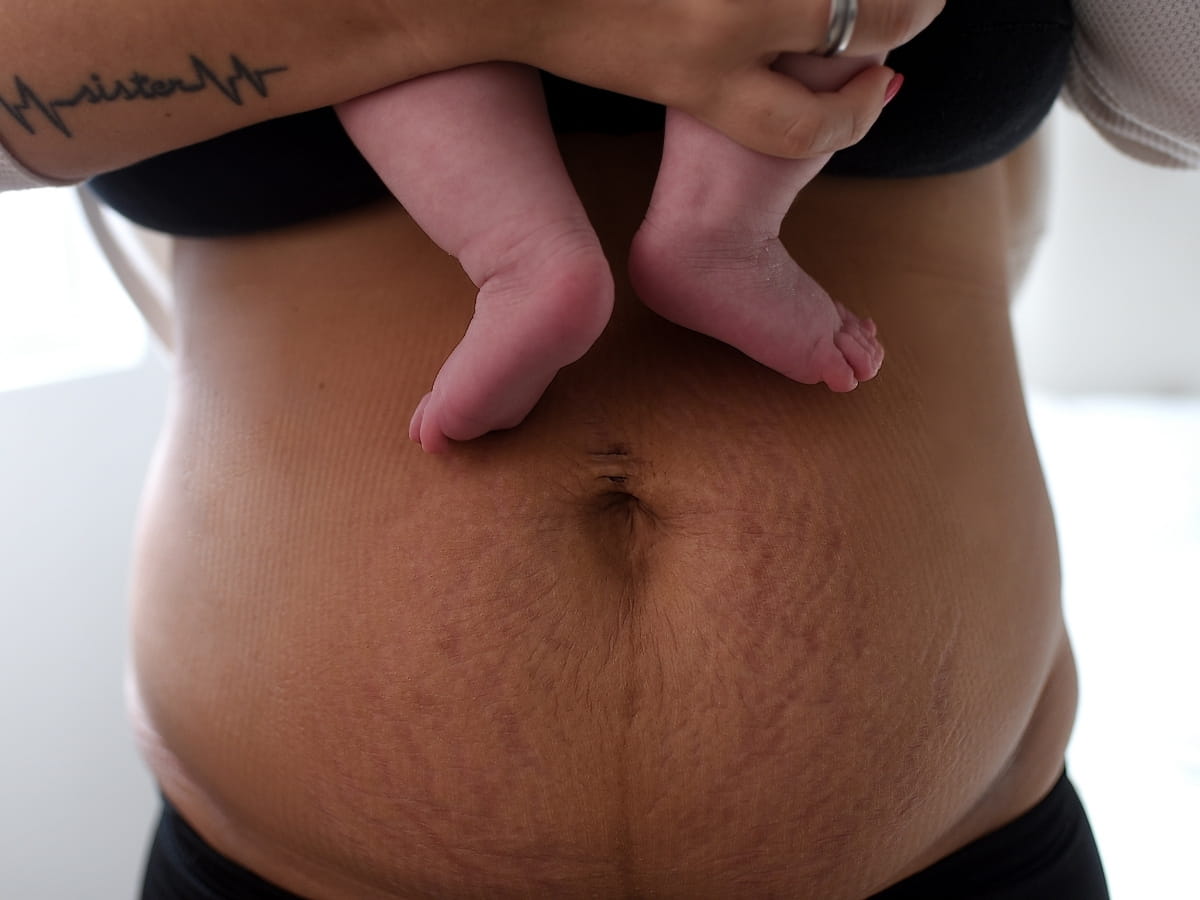
Postpartum care can begin once a mother has regained enough energy after birth to comfortably come in for treatment. Because every birth and recovery is different, your acupuncturist will begin by discussing your experience, current symptoms, and individual needs to determine what type of support may be appropriate for you.
During each appointment, your postpartum care treatment may look different depending on how you are feeling and what your body needs at that stage of recovery. Your practitioner may adjust acupuncture points or incorporate moxibustion, Celluma LED Light Therapy, herbal recommendations, or other supportive practices as appropriate. This individualized approach allows your care to change with you rather than following a one-size-fits-all treatment plan.
The timing and frequency of postpartum care visits will also depend on your individual recovery, including factors such as your birth experience, current symptoms, and postpartum stage. During your consultation, your acupuncturist can discuss your specific needs and help determine a treatment plan and timeline that best supports your recovery. We also understand that getting to appointments with a newborn can be challenging, so our Centennial location offers childcare during appointments. Please call ahead if you plan to use this service.
Supporting Your Postpartum Journey
Every mom, whether it’s her first or fifth child, deserves the time, support, and care she needs to heal and recover after birth. Postpartum care is about more than simply adjusting to life with a new baby; it is also an important opportunity to restore your energy, nourish your body, and support your physical and emotional well-being.
At Lim Acupuncture Clinic, we understand that every postpartum experience is different. Your care is tailored to your individual needs and stage of recovery, helping you feel supported as you heal and adjust to this new chapter. Through acupuncture, Chinese herbal medicine, moxibustion, nourishing foods, rest, and other supportive practices, we aim to make your health and recovery a priority.
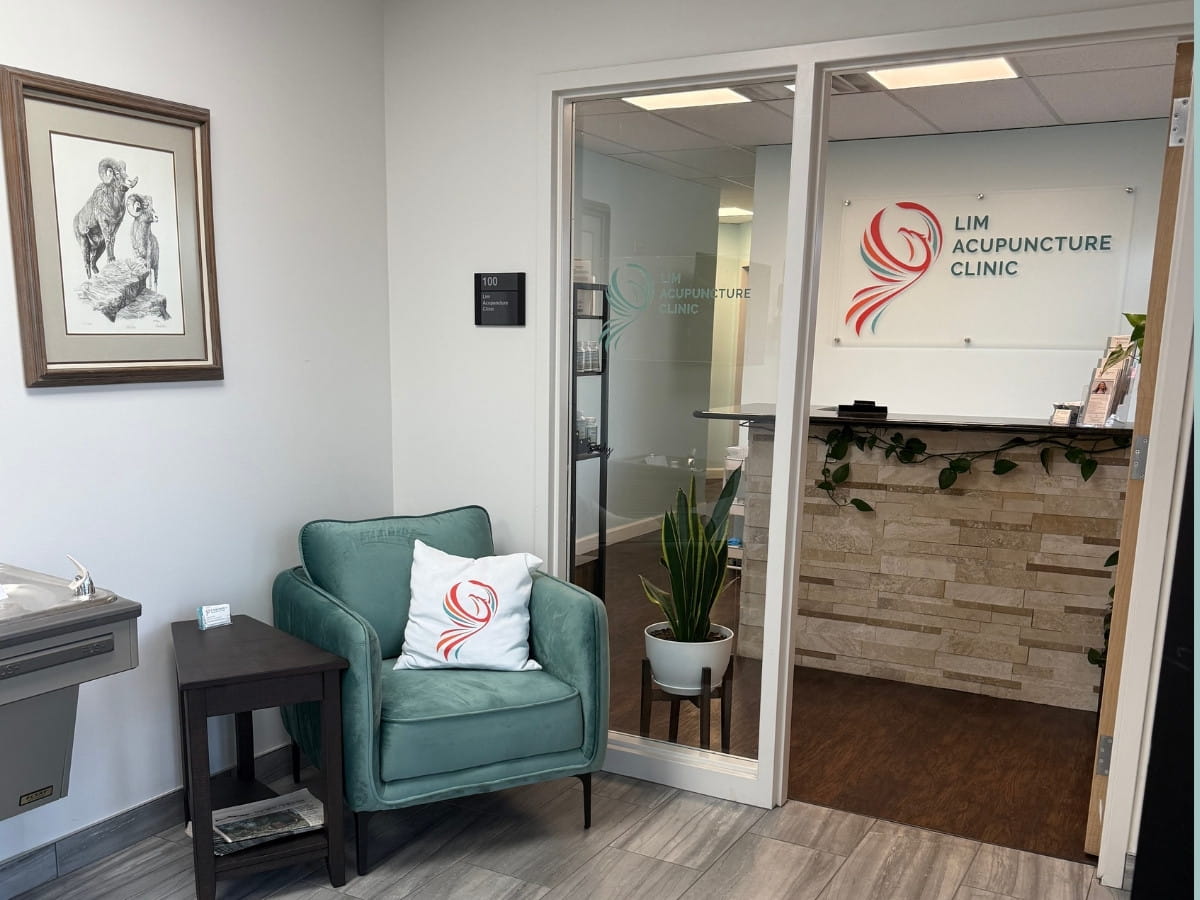
We also know that getting to an appointment with a newborn isn't always easy. Our Centennial location offers childcare during appointments (please call ahead if you plan to use this service), making it easier for new mothers to prioritize their own care without having to arrange separate childcare. Schedule a postpartum care consultation with our team today to create a treatment plan designed specifically for you.
Book Your Consultation Online or call 720-515-9282 to speak with one of our team members.
Meet the Team and learn more about the people who will be supporting your care.