
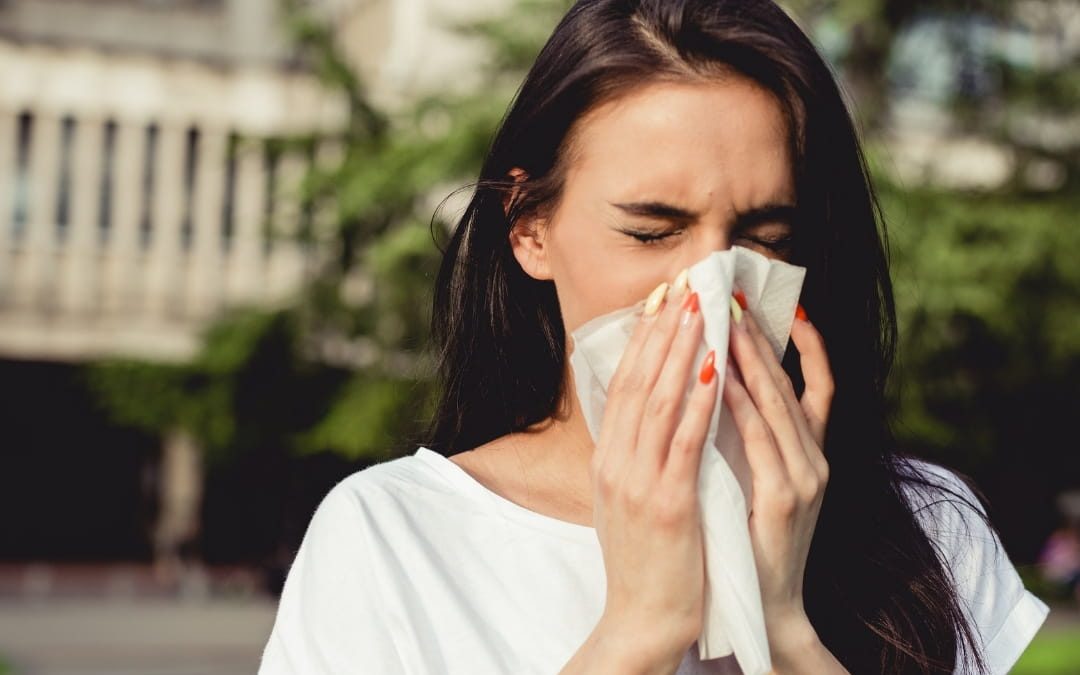
No matter where you have lived, chances are you have experienced seasonal allergies at some point in your life. Itchy eyes, a stuffy or runny nose, and constant sneezing are just a few of the symptoms patients come to us seeking relief. When seasonal allergies move beyond a slight annoyance and become something you deal with year after year, it may be time to explore a different approach.
For some people, allergy medications can be hit or miss. They may not work as well as expected, or they may seem to lose their effectiveness over time. After cycling through countless options, many people start to feel frustrated and discouraged. At both our Castle Rock and Centennial locations, we offer natural treatment options for seasonal allergies that may provide relief without causing drowsiness or other unwanted side effects.
What Causes Seasonal Allergies?

At the core, seasonal allergies (sometimes called hay fever) occur when the immune system mistakes a harmless substance, such as pollen, for a threat. Pollen from grasses, trees, weeds, and even mold spores can trigger this response in some people. While someone without seasonal allergies may inhale these particles without noticing them, the immune system responds by releasing inflammatory chemicals, including histamine.
These chemicals are responsible for many of the symptoms associated with seasonal allergies, including itchy or watery eyes, sneezing, congestion, a runny nose, coughing, and even worsening asthma symptoms in some individuals.
You may be wondering why some people react worse than others, or not at all. Researchers are still learning why some people develop seasonal allergies while others do not. Genetics can play a role, but growing evidence suggests that factors such as gut health, environmental exposures, and overall immune system function may also influence how the body responds to allergens.
There has been a growing interest in the relationship between the gut microbiome and immune health. The bacteria living in our digestive tract interact closely with the immune system, and studies suggest they may play a role in how the body responds to allergens and other environmental triggers. While researchers are still learning exactly how this connection works, the gut microbiome remains an important area of allergy research.
To learn more about the connection between allergies and the gut microbiome, please view this research article.
How Do You Know If It’s Seasonal Allergies?
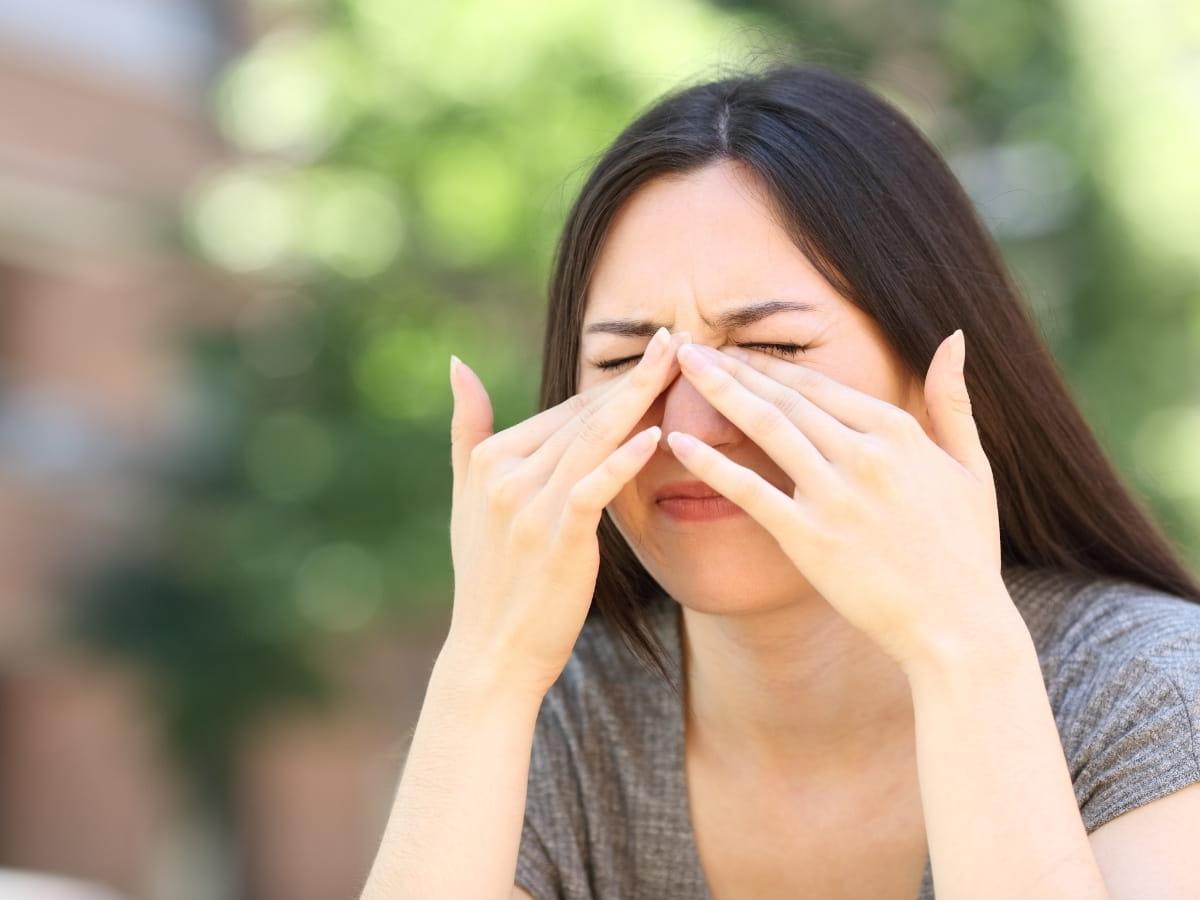
It can be hard to tell the difference between a seasonal allergy and the common cold. Since they share similar symptoms, people often mistake one for the other. However, allergy symptoms often appear during specific times of the year when pollen counts are high and may return season after season.
Unlike a cold or the flu, seasonal allergies do not cause a fever. They are also more likely to cause itching and symptoms that persist for weeks rather than gradually improve after a few days.
Common symptoms of seasonal allergies include:
- Sneezing
- Runny or stuffy nose
- Itchy or watery eyes
- Itchy nose, throat, or ears
- Post-nasal drip
- Sinus pressure
- Coughing caused by throat irritation or drainage
- Worsening asthma symptoms in some individuals
If you notice your symptoms tend to return around the same time each year, especially during the spring, summer, or fall months, seasonal allergies may be the cause. If you're looking for relief beyond over-the-counter medications, our licensed acupuncturists offer free consultations at both our Castle Rock and Centennial locations to discuss your symptoms and create a treatment plan tailored to your needs.
If you think you may have the cold or the flu, check out our blog titled “Acupuncture for Cold and Flu”.
Treatment Options for Seasonal Allergies
At Lim Acupuncture Clinic, we believe allergy treatment should address more than just the symptoms. By looking at your overall health and immune function, we create personalized treatment plans designed to help you find lasting relief. Depending on your individual needs, your provider may recommend one or more of the following therapies during each appointment.
Acupuncture
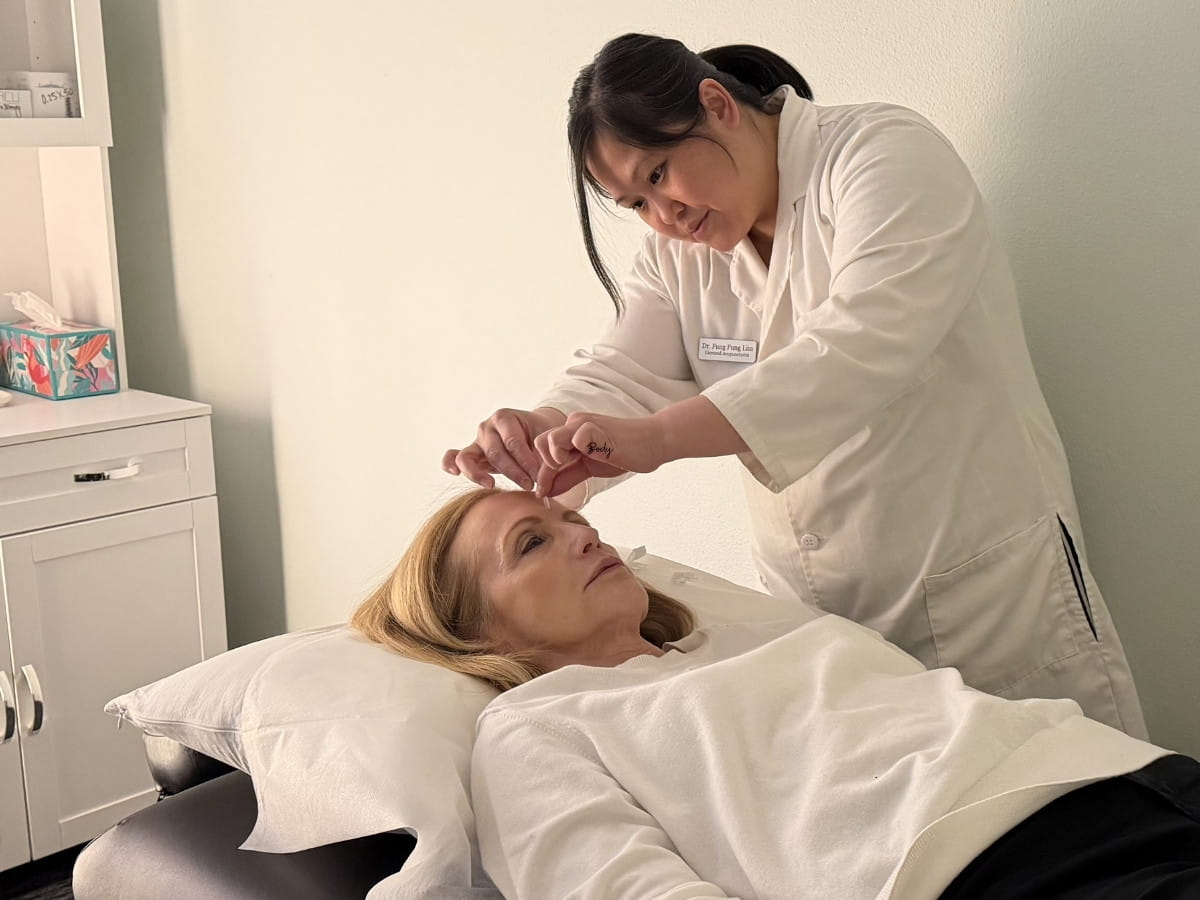
Acupuncture is one of the primary treatments we use to help patients manage seasonal allergies. By using a combination of body and facial acupuncture points, treatment may help reduce inflammation, relieve congestion, and support healthy immune system function. Because every patient experiences seasonal allergies differently, each treatment plan is personalized to address your unique symptoms and overall health. You can read more about acupuncture and its benefits on our blog titled “Acupuncture 101”.
Chinese Herbal Medicine
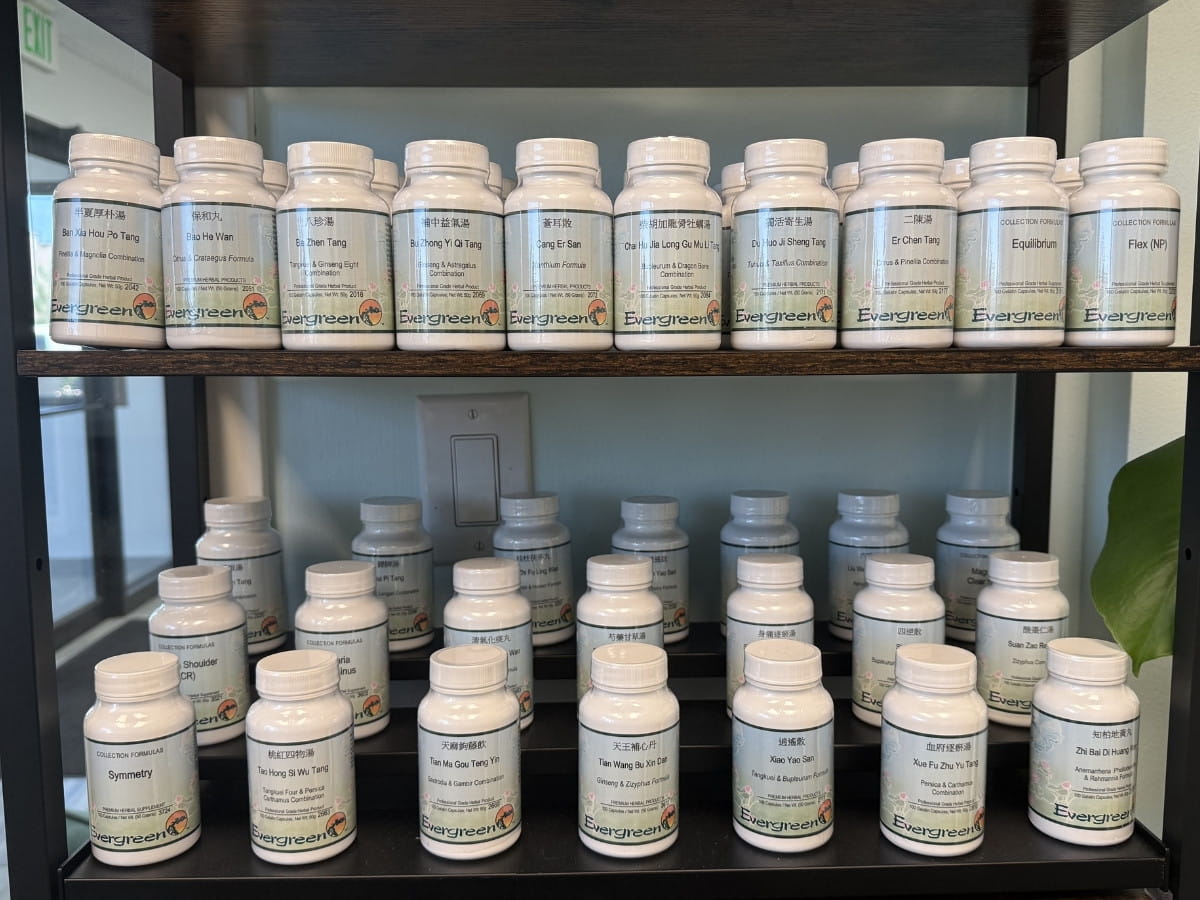
In Traditional Chinese Medicine, herbal formulas are often customized to meet each patient's individual needs. After evaluating your symptoms, health history, and overall health, your acupuncturist may recommend a personalized blend of herbs designed to complement your treatment plan. Depending on your symptoms, herbal medicine may help support relief from concerns such as coughing, excess phlegm, congestion, and other seasonal allergy symptoms. We invite you to learn more about how we use herbal medicine at Lim Acupuncture Clinic on our "Herbal Medicine" page.
Ozone Therapy
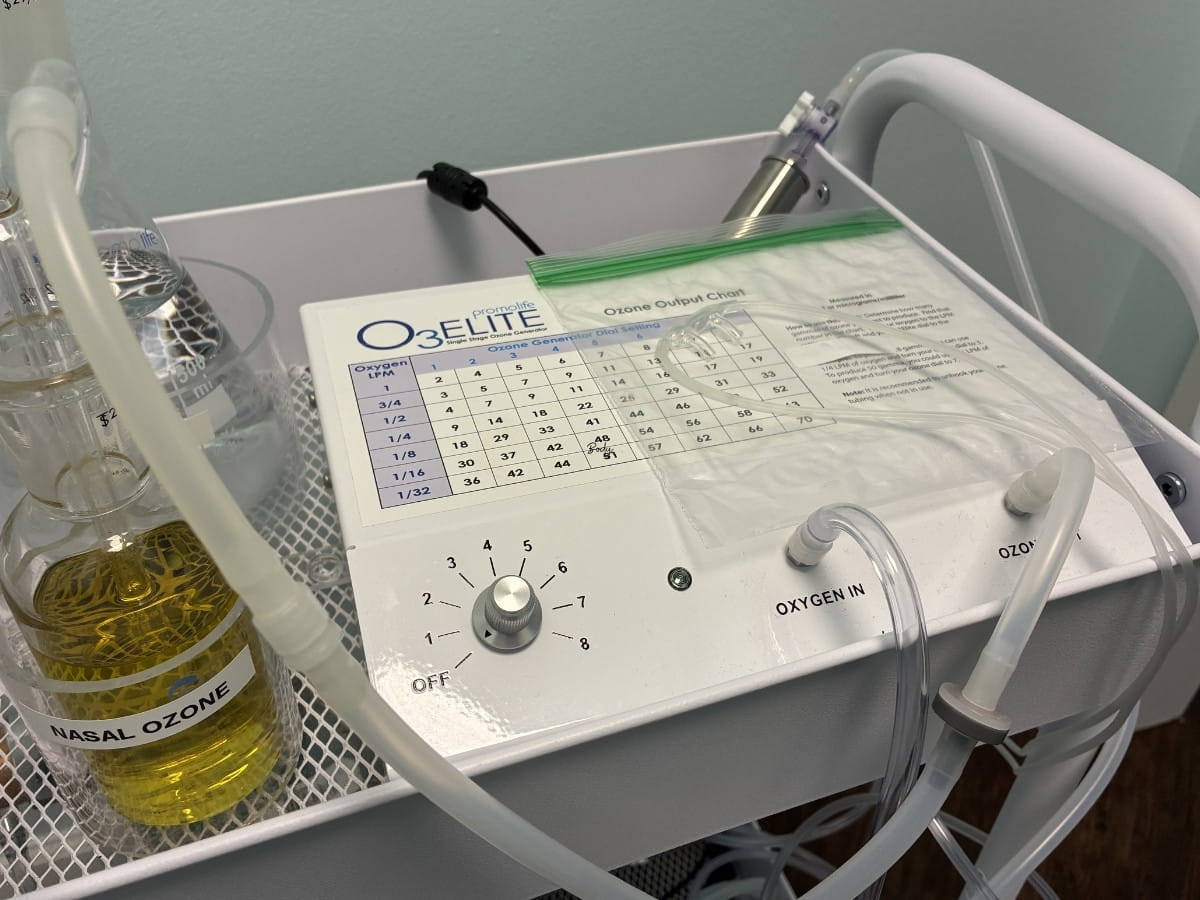
Ozone therapy uses medical-grade ozone (O₃) to help promote healing and support immune function. Nasal ozone therapy may help relieve congestion, sinus pressure, and irritation associated with seasonal allergies by supporting healthy nasal passages This treatment can be adjusted to your comfort level, making it a great option for patients looking for additional allergy support.
To learn more about how Traditional Chinese Medicine has been studied for the treatment of allergic conditions, please view this research article.
What to Expect at Your Appointment for Seasonal Allergies
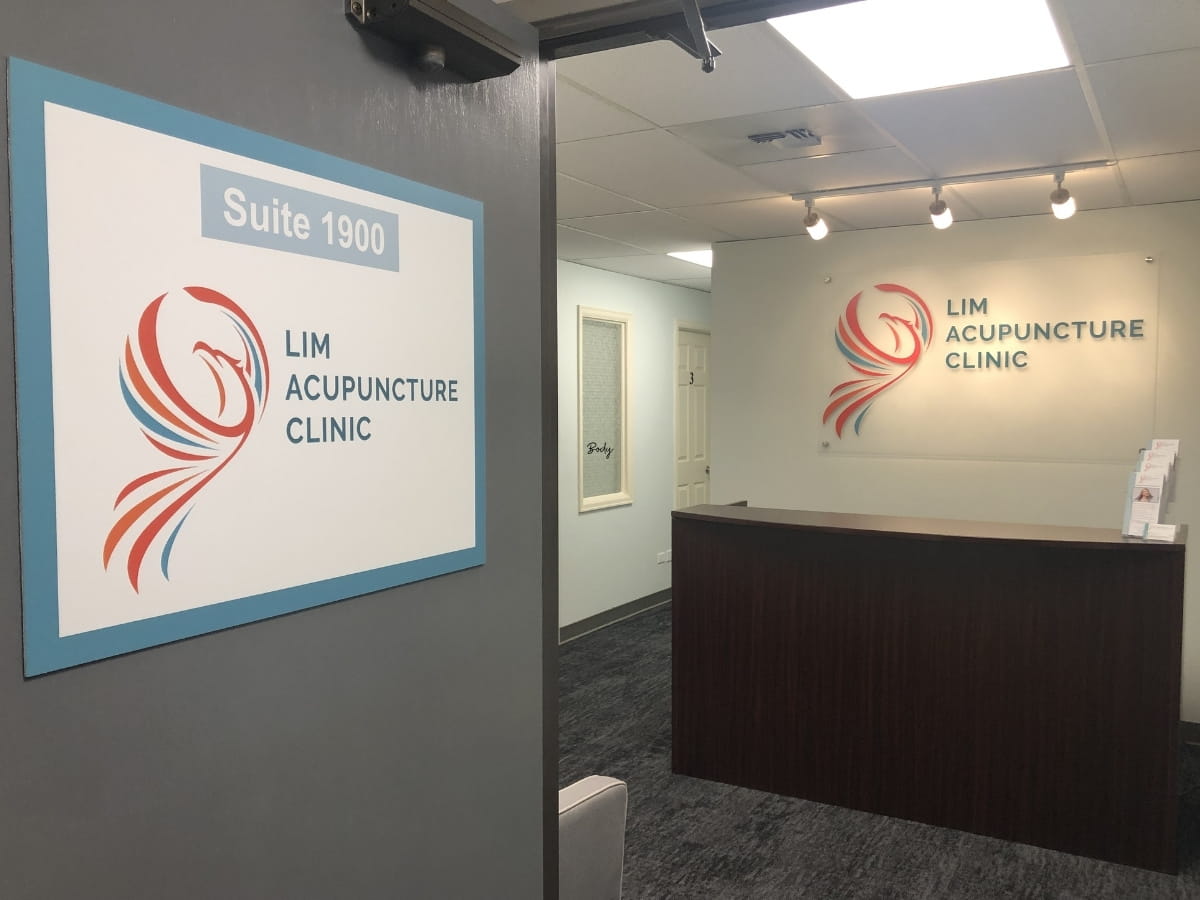
No two people experience seasonal allergies exactly the same, which is why every treatment plan begins with a thorough consultation. After arriving at either our Castle Rock or Centennial location, you’ll be greeted and placed in a private treatment room. During your first appointment, one of our licensed acupuncturists will discuss your symptoms, review your health history, and answer any questions you may have before recommending the therapies that best fit your needs.
Depending on your symptoms and treatment plan, your visit may include acupuncture, herbal recommendations, ozone therapy, or other supportive treatments offered at our clinic. Many patients find acupuncture to be a relaxing experience, often leaving appointments feeling calmer while taking an important step toward managing their seasonal allergies naturally.
Because every person responds differently and has a unique health history, treatment timelines can vary. More chronic or long-standing symptoms often require a longer course of care, as the body needs time to restore balance and address the underlying patterns contributing to symptoms.
Start Your Seasonal Allergy Care

Seasonal allergies can become an ongoing source of frustration when symptoms return year after year or don’t fully respond to over-the-counter medications. At Lim Acupuncture Clinic, we take a personalized approach to care, focusing on supporting your body’s natural balance while addressing the underlying patterns contributing to your symptoms.
If you’re ready to explore a more natural approach to allergy relief, our team is here to help you get started. Taking the next step toward care can help you better understand what may be contributing to your symptoms and what treatment options may be most beneficial for you.
- Book Your Consultation Online or call 720-515-9282 to speak with one of our team members.
- Meet the Team and learn more about the people who will be supporting your care.